Comprehensive Guide to dx hysteroscopy: The Advanced Diagnostic Tool in Women's Health
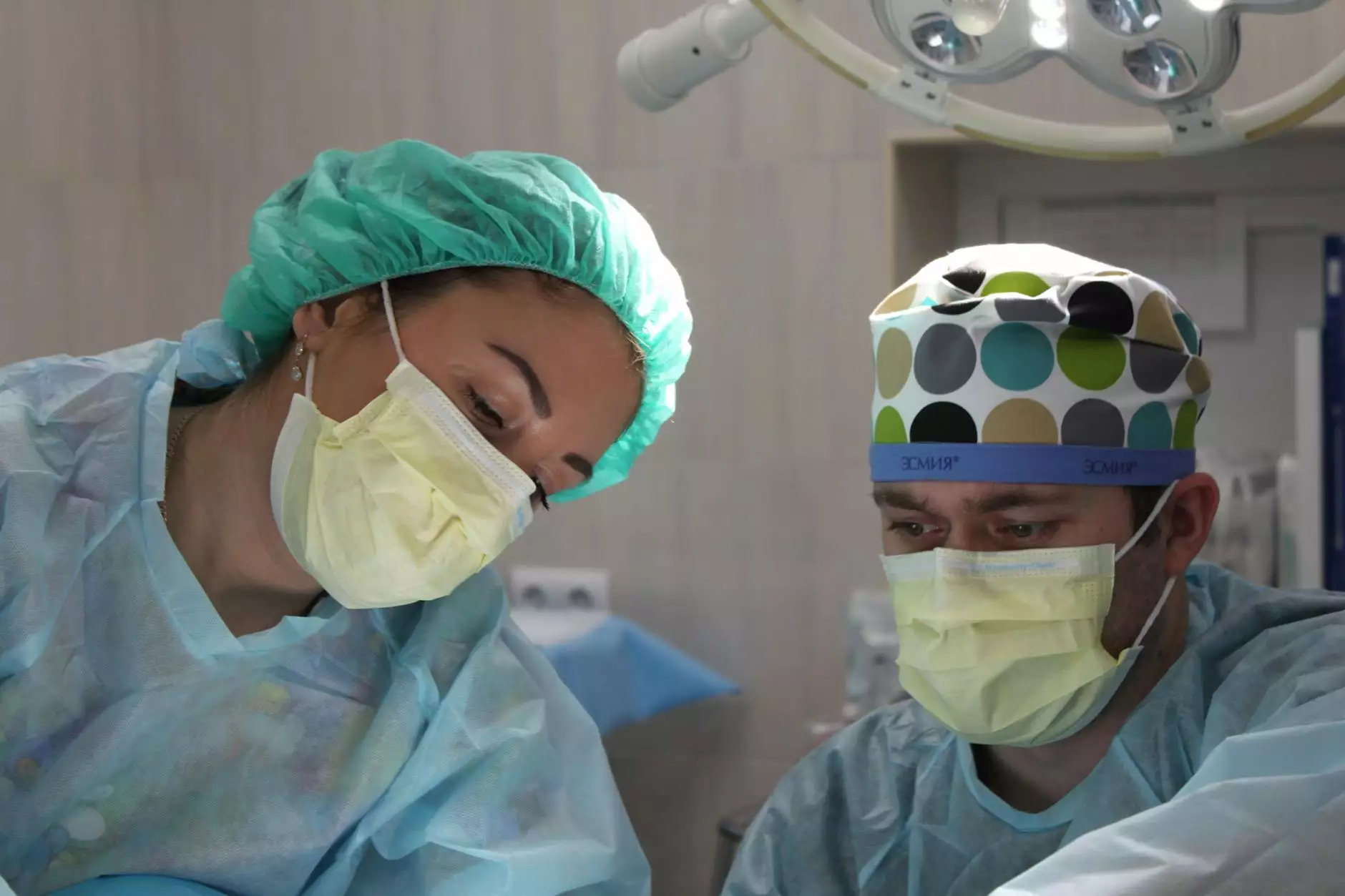
In the realm of modern obstetrics and gynecology, diagnostic procedures have evolved dramatically to provide more precise, minimally invasive, and effective options for evaluating and treating uterine conditions. Among these, the dx hysteroscopy stands out as a breakthrough technique, empowering healthcare professionals to detect, diagnose, and even sometimes treat intrauterine abnormalities with unprecedented accuracy.
What is dx hysteroscopy? An In-Depth Explanation
The term dx hysteroscopy combines "diagnostic" and "hysteroscopy," emphasizing its role as a diagnostic modality in gynecological practice. It involves the insertion of a hysteroscope, a thin, illuminated tube-equipped device, into the uterine cavity through the cervical canal. This procedure allows for direct visualization of the uterine lining (endometrium), making it a highly effective method for detecting intrauterine pathologies.
Historical Context and Evolution of Hysteroscopy
Hysteroscopy has evolved from a purely observational technique into a sophisticated tool that integrates diagnostic and operative capabilities. Early procedures were more invasive and required hospitalization, but advancements in optics, instrumentation, and anesthesia have made hysteroscopy a routine outpatient procedure, with dx hysteroscopy representing the most recent development emphasizing minimally invasive diagnostic accuracy.
Indications and Clinical Significance of dx hysteroscopy
The value of dx hysteroscopy extends across a broad spectrum of gynecological concerns. It is particularly vital for women experiencing unexplained abnormal uterine bleeding, infertility, recurrent pregnancy loss, or suspected intrauterine lesions. Here are some common indications:
- Evaluation of abnormal uterine bleeding (menorrhagia, metrorrhagia)
- Assessment of infertility and recurrent pregnancy loss
- Detection of intrauterine polyps, fibroids, adhesions (Asherman's syndrome)
- Investigation of congenital uterine anomalies
- Diagnosis of endometrial hyperplasia or carcinoma
- Assessment of intrauterine septa or adhesions following miscarriage or infection
The Procedure: Step-by-Step Insight into dx hysteroscopy
An expertly performed dx hysteroscopy combines patient comfort with diagnostic precision. Here's a detailed overview of what to expect:
Pre-Procedure Preparation
Patient preparation involves thorough counseling on the procedure's purpose, potential risks, and expected outcomes. Depending on individual cases, healthcare providers may recommend:
- Fasting for a few hours before the procedure
- Use of analgesics or antispasmodics to minimize discomfort
- Administration of local anesthesia or mild sedation, especially for anxious patients
- Timing the procedure during the proliferative phase of the menstrual cycle for optimal visualization
The Actual Procedure
During dx hysteroscopy, the following steps are typically observed:
- Insertion of the hysteroscope through the cervix into the uterine cavity
- Introduction of distension media such as saline or carbon dioxide to expand the cavity for better visualization
- Systematic examination of the endometrial lining, uterine walls, and cervix
- Inspection for abnormalities: polyps, submucous fibroids, adhesions, uterine septa, hyperplasia, or carcinoma
- If abnormalities are identified, targeted biopsies are usually taken for histopathological analysis
Post-Procedure Care and Follow-Up
After dx hysteroscopy, patients often experience mild cramping or light bleeding, which generally resolves within a few hours. Recommendations include:
- Rest for the remainder of the day
- Avoid sexual intercourse, tampons, or inserted objects for at least 24-48 hours
- Follow-up consultations to discuss biopsy results or further treatment options
Advantages of dx hysteroscopy: Why It Is the Gold Standard
The popularity of dx hysteroscopy among gynecologists and patients stems from its numerous benefits:
- Minimally invasive: No need for large incisions or extensive anesthesia
- High accuracy: Direct visualization allows precise diagnosis
- Outpatient procedure: Typically performed in outpatient clinics with immediate recovery
- Versatility: Can be combined with operative hysteroscopy if needed
- Cost-effective: Reduced hospital stays and quicker return to normal activities
- Reduced complication rates: Lower risk of infection and bleeding compared to traditional surgical methods
Diagnostic Outcomes and Impact on Patient Care
Findings from dx hysteroscopy significantly impact patient management. For example, detecting endometrial polyps or fibroids can lead to immediate hysteroscopic removal, addressing the pathology with a single procedure. Moreover, identifying endometrial hyperplasia or precancerous lesions allows for timely intervention, improving prognosis and survival rates.
Technological Innovations Enhancing dx hysteroscopy
Advances in technology continue to elevate the efficacy of hysteroscopy. Notable innovations include:
- High-definition cameras: Provide ultra-clear visualization of subtle endometrial changes
- Miniaturized hysteroscopes: Increase patient comfort and access to complex cases
- 3D imaging and adaptive optics: Offer detailed spatial understanding of intrauterine abnormalities
- Integrated operative channels: Enable immediate treatment during diagnostic procedures
Choosing a Center for dx hysteroscopy: What to Look For
When selecting a specialized medical facility for dx hysteroscopy, consider these key factors:
- Experienced obstetricians and gynecologists with advanced training in hysteroscopy
- Modern, state-of-the-art equipment with high-definition imaging capabilities
- Comprehensive patient support and counseling services
- Availability of combined diagnostic and operative procedures
- Accurate diagnostics with prompt reporting
Conclusion: The Future of dx hysteroscopy in Women's Health
The continuous evolution of dx hysteroscopy signifies a transformative shift towards more personalized, precise, and minimally invasive gynecological care. As healthcare providers adopt cutting-edge technology and evidence-based protocols, women worldwide benefit from earlier diagnoses, targeted treatments, and improved reproductive health outcomes.
For health practitioners and patients alike, understanding and leveraging the power of dx hysteroscopy is essential to achieve optimal gynecological health. Leading clinics such as drseckin.com exemplify excellence in this field, offering integrated care and innovative procedures tailored to each woman's unique needs.
Contact Us
To learn more about dx hysteroscopy and how it can benefit your reproductive health, visit drseckin.com or contact our specialized team of obstetricians and gynecologists. Our commitment is to provide the most advanced and compassionate care at every step of your health journey.